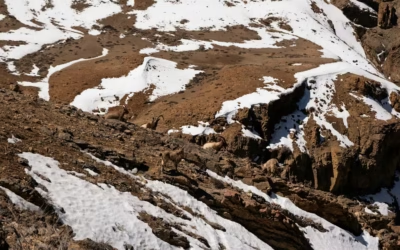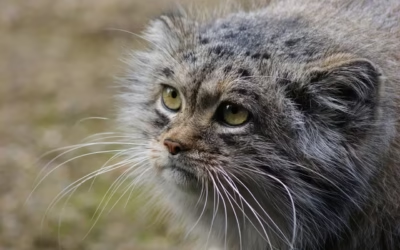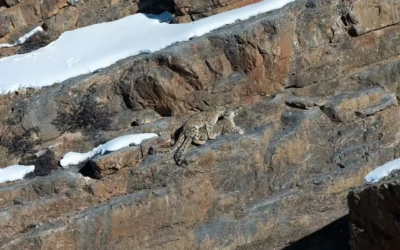
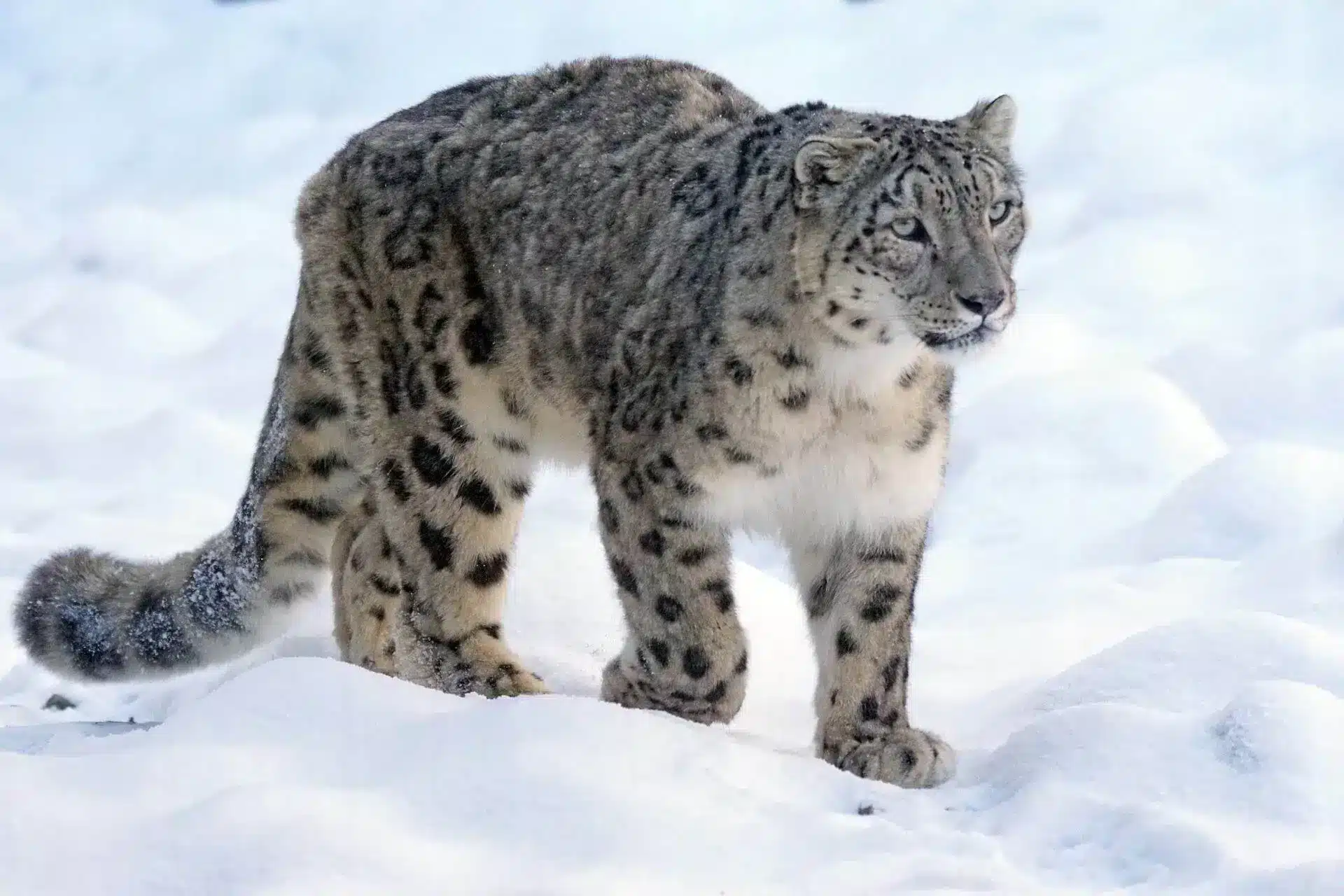
Snow leopard expeditions are not ordinary wildlife trips. They ask for patience, steady effort, and clear expectations. The land is high and exposed. The weather shifts without warning. The animal you search for moves alone and stays hidden across wide ground.
Many first-time travelers make avoidable mistakes. These mistakes reduce their chances or make the journey harder. Here are the most common ones and how to avoid them.
Expecting Guaranteed Sightings
This is the most common and most damaging mistake.
Snow leopards live alone and range across large distances. They stay hard to see even for trackers who know the land well. Expeditions take place in areas where sightings can be rare. Some weeks pass with only one encounter. Some trips end without a single sighting.
Tiger safaris in India often bring repeated sightings in a few days. Snow leopard expeditions do not work that way. You must accept uncertainty from the start. If you expect a certain sighting, disappointment begins before arrival.
The value of the expedition sits in the land and the effort. It grows through time spent watching slopes and reading signs. It builds through learning how life holds on in thin air. The sighting, if it comes, follows that work. It does not lead it.
Ignoring Proper Clothing and Gear
The Himalayas in winter hold steady cold. Temperatures fall below freezing. Wind moves across open slopes without pause. Snow can arrive within hours.
Many travelers pack too little or pack the wrong items. Some trust that camps will provide all they need. This leads to long cold days and poor rest at night.
You need layered clothing that keeps heat and moves moisture away. You need boots that handle snow and stone. Gloves must protect your hands in wind. A strong outer shell blocks the weather. These items allow you to stay in the field without strain.
Optics also matter in this landscape. Good binoculars and a spotting scope help you read distant slopes. Snow leopards often move far across open ground. Without proper optics, you may know the animal is there but fail to see it clearly.
Choosing the Wrong Season
Snow leopard expeditions run in winter. During this time, the cats follow prey to lower ground. Most trips take place between December and March. February often gives the best window.
Some travelers try to avoid the cold and travel outside this period. They assume wildlife viewing works the same all year. This assumption leads to poor results.
Outside winter, snow leopards stay higher in the mountains. These areas are harder to reach and scan. Sightings become less likely. If your aim is to increase your chances, you must travel in the set season.
Skipping Acclimatization Days
Many travelers want more time in the field. They skip acclimatization to gain extra days. This choice often works against them.
The body needs time to adjust to high altitude. Without this time, sickness can begin. Headaches, nausea, and fatigue follow. These symptoms reduce your ability to move and focus.
Good operators include acclimatization days in their plans. These days prepare you for the work ahead. They allow you to move with more ease once tracking begins. They are not lost days. They support every day that follows.
Traveling Solo Without a Guide
Snow leopard habitat spreads wide and remains hard to read. The ground looks similar across valleys. Weather can change without warning.
Local guides know this land through long experience. They read tracks and signs. They understand prey movement. They know where recent sightings have occurred.
Traveling alone removes this knowledge. It lowers your chances and adds risk. It turns the trip into a long walk without direction. A skilled guide brings structure and purpose to each day.
Overlooking the Importance of Patience
Most days pass in stillness. You watch slopes through glass. You wait in cold wind. You see bharal move across ridges. Signs appear, but the predator stays hidden.
Travelers who expect constant action struggle here. They lose focus during long hours. They miss small changes in the land.
Snow leopard tracking depends on patience. You sit and watch. You return to the same slope. You trust the process. This is not a backup plan. It is the main way forward.
Those who settle into this pace gain more from the trip. They notice light across ridges. They follow movement across distance. They value the act of searching as much as the result.
Assuming All Operators Are Equal
Not all expeditions follow the same standard. Some operators work with care and strong field knowledge. Others focus on numbers and lower costs.
Inexperienced guides can miss signs or choose poor locations. Weak planning can reduce safety and comfort. These factors shape the whole experience.
You should study operators before booking. Read accounts from past travelers. Check the experience of guides. Strong field knowledge makes a clear difference in this landscape.
Bringing the Wrong Expectations About Comfort
Snow leopard expeditions keep things simple. Camps and lodges offer basic shelter. Meals remain plain and direct. Facilities stay limited.
The focus stays on time in the field. Comfort comes second. This is part of the design.
Travelers who expect high-end lodges feel out of place. They compare the trip to luxury safaris in Africa or India. This leads to frustration.
If you accept these conditions early, the experience feels steady and clear. The focus returns to the land and the search.
Not Preparing Mentally for No Sighting
This returns to the first mistake but needs clear focus.
A trip without a sighting can still hold value. The land stands vast and open. The work remains real. You learn how a predator lives in thin air and cold ground.
Is the trip a failure without a sighting? No, it is not. The answer lies in how you approach the journey.
Travelers who accept this outcome stay calm and present. They take in the land and the process. They leave with a sense of effort well used.