Why Snow Leopards Still Surprise Us
Snow leopards live in some of the harshest mountains on Earth, yet we know very little about them. Even people who live alongside them may never see one in their lifetime. These facts help explain why this cat remains so rare and so misunderstood.
Snow Leopards Are Almost Never Seen in the Wild
Even in places where they are known to live, sightings are rare. One snow leopard may use an area larger than many national parks. This low density is why tracking takes time and patience.
They Live Higher Than Any Other Big Cat
Snow leopards live between 3,000 and 5,500 meters. No other big cat survives at this height year round. Thin air, steep cliffs, and freezing temperatures are normal for them.
They Are More Closely Related to Tigers Than Leopards
Despite the name, snow leopards are genetically closer to tigers. They belong to the same evolutionary line, even though they live very different lives. This connection explains some shared traits like body build and skull structure.
Their Long Tail Is a Survival Tool
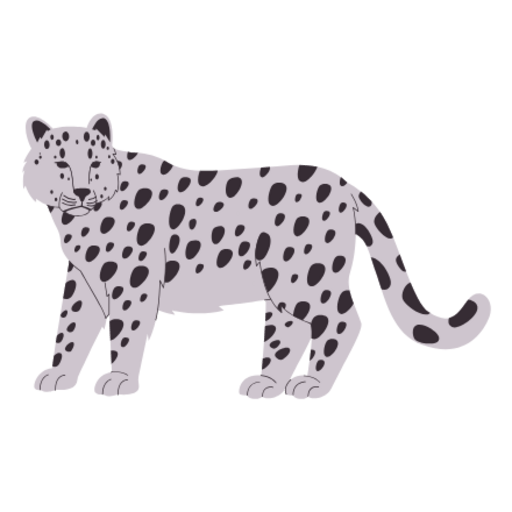
A snow leopard’s tail can grow almost as long as its body. It helps with balance while moving across cliffs. In cold weather, they also wrap it around themselves for warmth while resting.
Their Camouflage Works at Very Close Range
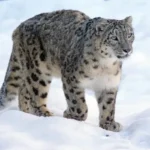
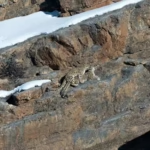
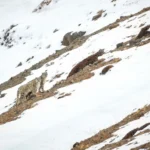
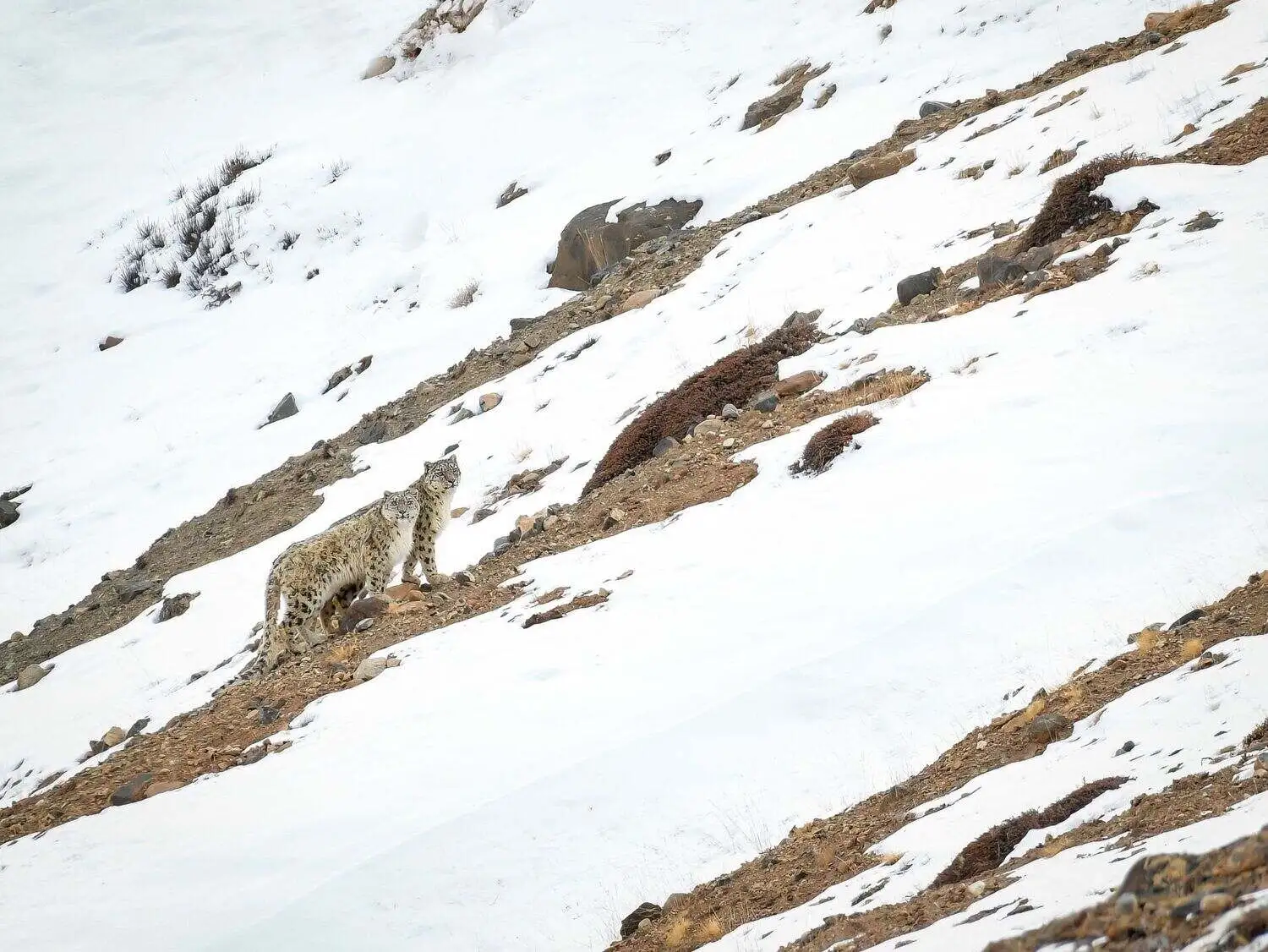
Their grey coat with dark rosettes blends perfectly with rock and snow. Even when one is in plain view, it can disappear when it stops moving. Many trackers miss leopards that are already in front of them.
Winter Is Their Most Active Season
Winter pushes prey animals like blue sheep and ibex to lower slopes. Snow leopards follow them. This makes winter the best time for tracking and sightings in Ladakh and Spiti.
They Need Huge Territories to Survive
One adult snow leopard can use hundreds of square kilometers. They patrol these areas slowly, marking routes along ridges and valleys. This wide range is one reason sightings take days rather than hours.
They Share Space With Mountain Communities
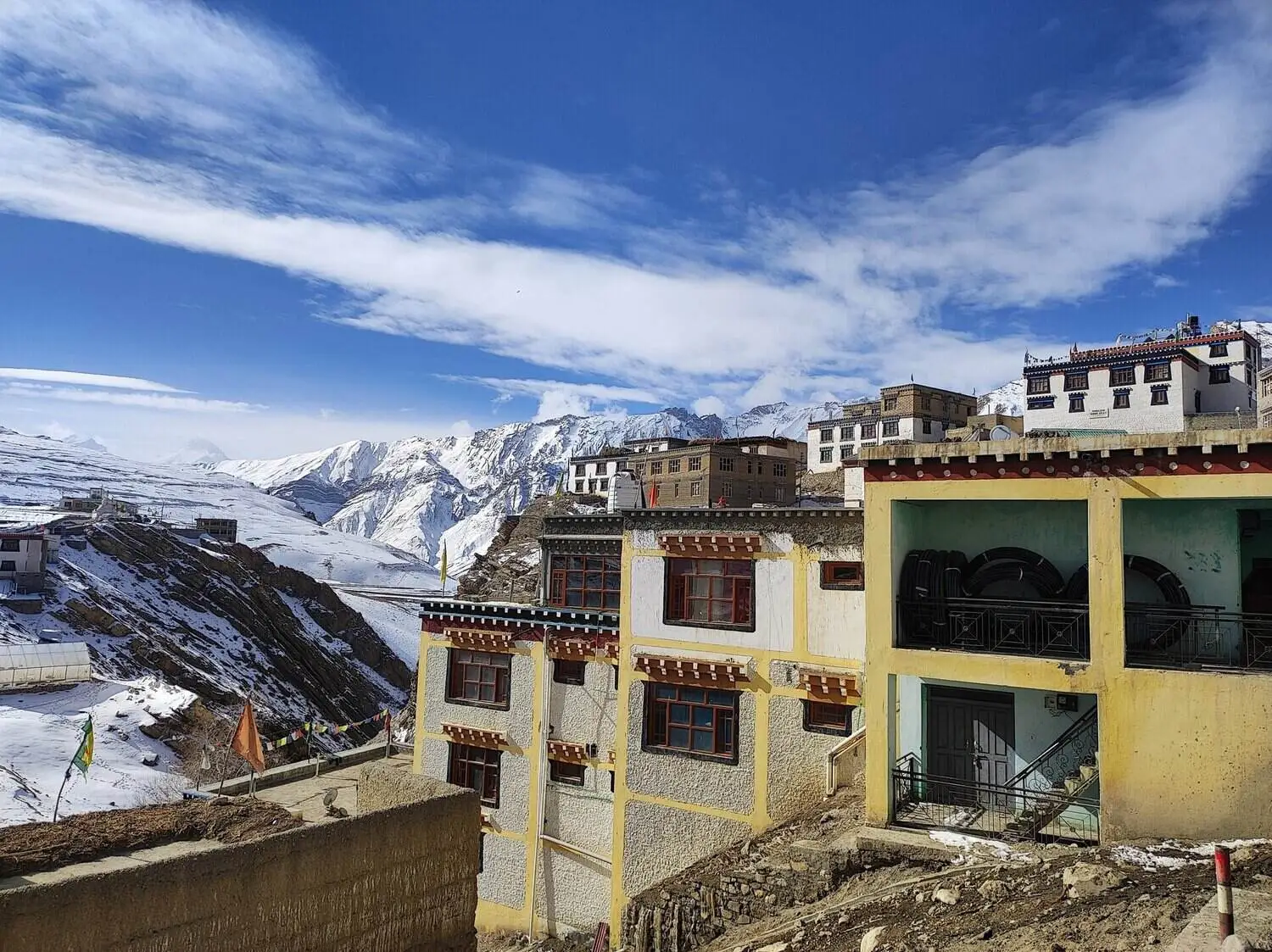
Snow leopards live close to villages and grazing areas. Local people have learned to coexist with them over generations. Community support plays a major role in their survival today.
They Communicate Without Roaring
Snow leopards cannot roar like lions or tigers. They communicate through sounds like hissing, growling, and a soft call known as a chuff. These sounds help avoid conflict and attract mates.
They Keep Mountain Ecosystems Balanced
By controlling prey populations, snow leopards protect fragile grasslands. This balance supports other wildlife and even livestock grazing. Losing them would affect the entire mountain system.
Why These Facts Matter for Travelers and Trackers
Understanding snow leopard behavior helps set realistic expectations. Sightings are never guaranteed. Tracking takes time, silence, and respect for the environment. These facts explain why patience matters more than luck.
Final Thoughts on the Ghost of the Mountains
Snow leopards survive through adaptation, not force. They avoid attention and move with purpose. Seeing one in the wild is not about chasing a moment. It is about earning it.