High in the rugged terrains of the Himalayas, the Himalayan Tahr (Hemitragus jemlahicus) reigns as a master of survival. With their thick coats and surefooted nature, these remarkable herbivores embody the resilience needed to thrive in extreme conditions. As they navigate sheer cliffs with ease, they play a vital role in the delicate ecosystem of the Himalayas, captivating wildlife enthusiasts and scientists alike.
A Snapshot of the Himalayan Tahr
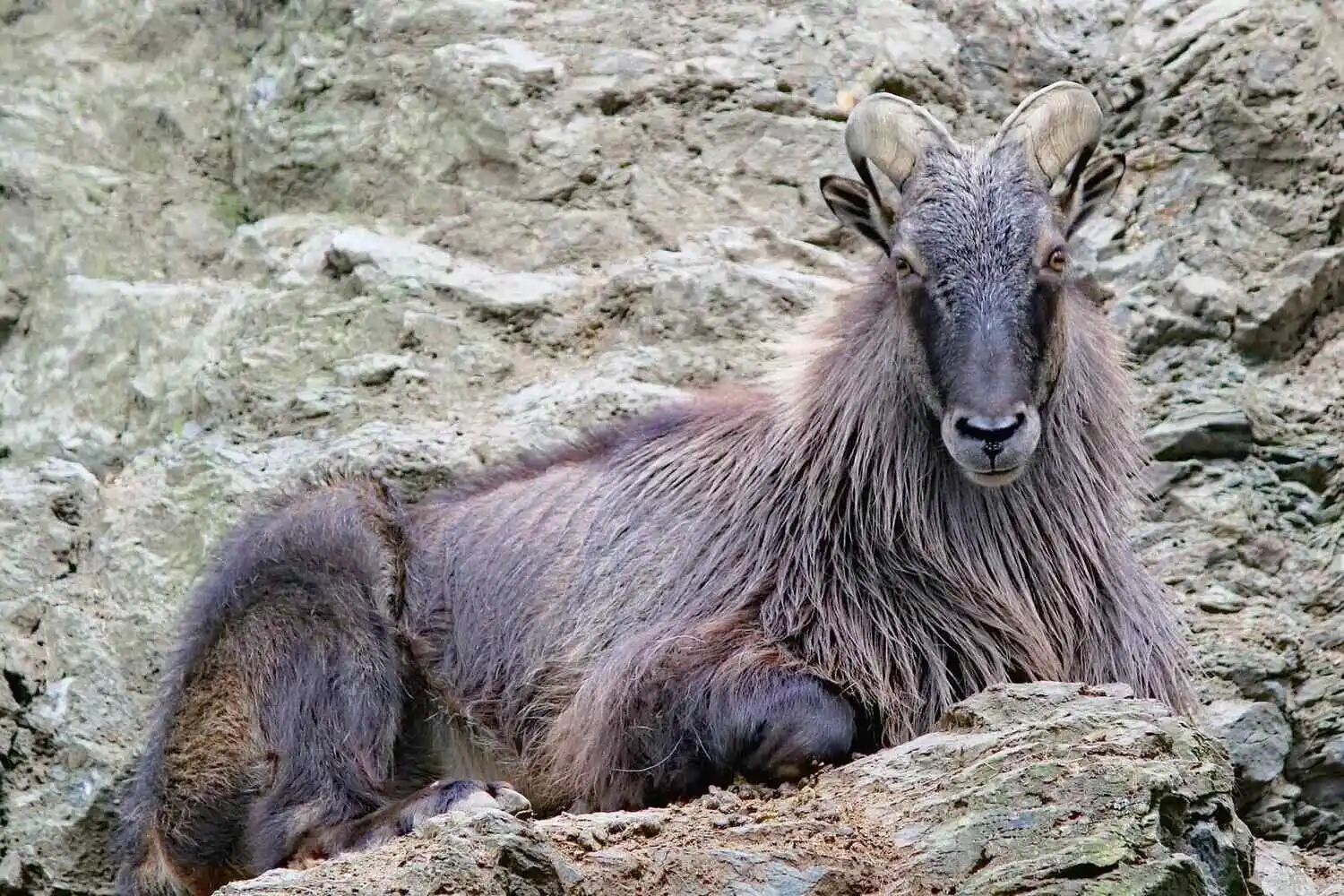
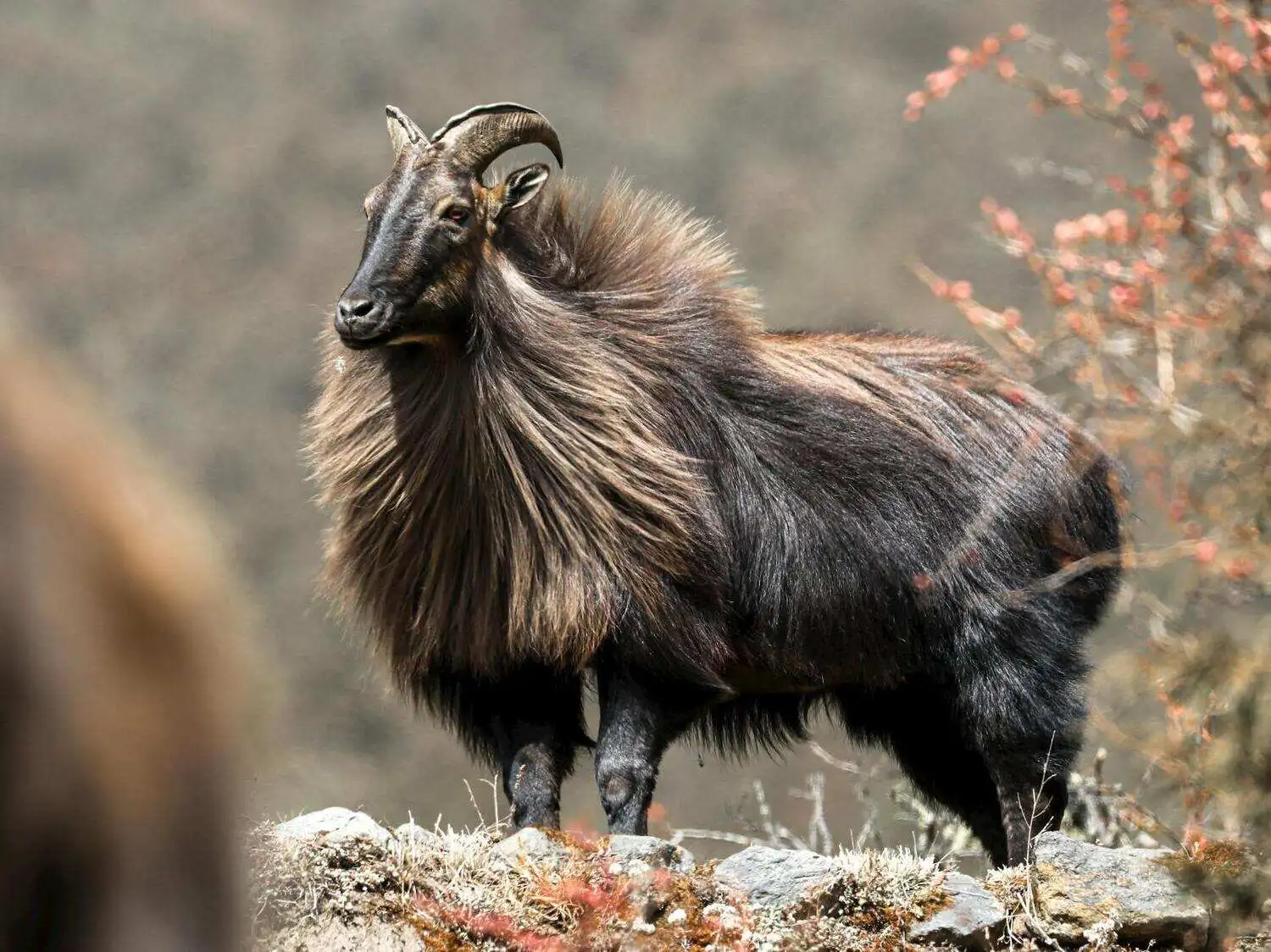
The Himalayan Tahr is a medium-sized herbivore perfectly adapted to life on rocky slopes. Their thick, woolly coat keeps them warm during cold Himalayan winters, while their powerful legs and specialized hooves allow them to scale near-vertical cliffs.
| Characteristics | Details |
|---|---|
| Scientific Name | Hemitragus jemlahicus |
| Size | 60–100 cm tall, 35–90 kg weight |
| Habitat | Rocky terrains, alpine meadows |
| Altitude Range | 2,500–5,000 meters |
| Diet | Grasses, shrubs, and herbaceous plants |
| Conservation Status | Near Threatened |
Adaptations for Life in the Mountains
The Himalayan Tahr is a marvel of adaptation, equipped with features that make it a master climber and survivor:
- Specialized Hooves: Their split hooves provide a firm grip on rocky surfaces, allowing them to navigate steep cliffs with remarkable balance.
- Dense Coat: Their thick, woolly fur protects them from freezing temperatures and harsh winds.
- Muscular Build: Strong limbs give them the power to scale steep slopes and evade predators.
Role in the Himalayan Ecosystem
The Himalayan Tahr contributes significantly to its ecosystem:
- Herbivore Role: Their grazing habits prevent overgrowth of vegetation, ensuring the balance of alpine meadows.
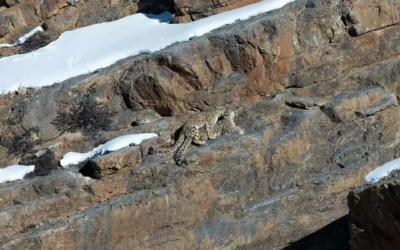
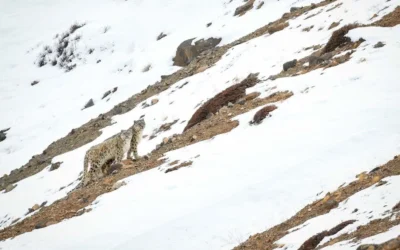
- Prey Species: They are a crucial food source for predators like snow leopards and Asiatic black bears.
- Seed Dispersal: By feeding on plants, they aid in the natural process of seed dispersal across mountainous regions.
Habitat and Distribution
The Himalayan Tahr is found across the high-altitude regions of the Himalayas, including India, Nepal, and Bhutan. These animals thrive at elevations between 2,500 and 5,000 meters, frequenting rocky terrains, alpine meadows, and subalpine forests. Protected areas like the Great Himalayan National Park in Himachal Pradesh are some of the best places to observe them.
Nilgiri Tahr vs. Himalayan Tahr
Although closely related, the Himalayan Tahr and Nilgiri Tahr have distinct differences:
| Feature | Himalayan Tahr | Nilgiri Tahr |
|---|---|---|
| Scientific Name | Hemitragus jemlahicus | Nilgiritragus hylocrius |
| Habitat | Himalayas (alpine zones) | Western Ghats, Nilgiri Hills (grasslands) |
| Altitude Range | 2,500–5,000 meters | 1,200–2,700 meters |
| Coat Appearance | Thick, woolly, reddish-brown | Short, coarse, and dark with a gray saddle patch |
| Size | Larger, up to 90 kg | Smaller, up to 80 kg |
| Conservation Status | Near Threatened | Endangered |
The Himalayan Tahr’s adaptations suit the extreme cold and rocky terrains of the Himalayas, while the Nilgiri Tahr thrives in the lush, grass-covered slopes of the Western Ghats.
Social Behavior and Lifestyle
Himalayan Tahrs are social animals, often living in herds led by dominant males. These herds typically consist of females and their young, while older males lead solitary lives, joining herds only during the mating season. Their movements are seasonal, driven by food availability and weather conditions, with herds often moving to lower elevations during harsh winters.
Challenges and Conservation
Despite their adaptability, Himalayan Tahrs face several threats:
- Habitat Loss: Expanding human activity encroaches on their natural habitats.
- Overgrazing: Competition with livestock depletes their grazing resources.
- Hunting and Poaching: They are hunted for their meat, hides, and as game trophies.
Conservation measures like protected reserves and hunting bans are essential for their survival. Initiatives such as community-driven eco-tourism also play a role in reducing human-wildlife conflict.
Fun Facts About the Himalayan Tahr
- Male tahrs develop a thick mane during mating season, which adds to their majestic appearance.
- Their ability to leap across steep rocks with agility is unmatched in the animal kingdom.
- Despite their bulk, they are incredibly nimble and can balance on narrow ledges.
Planning to Spot the Himalayan Tahr
Wildlife enthusiasts can find Himalayan Tahrs in regions like Spiti Valley, Ladakh, and Uttarakhand.
Best Time for Observation: Summer months (May–September) when they graze at higher altitudes.
Tips for Spotting: Look for herds on rocky slopes or near alpine meadows. Eco-friendly tours and experienced guides can enhance your chances of spotting them while ensuring minimal impact on their natural habitat.
The Himalayan Tahr is a true symbol of resilience and adaptability in the harsh Himalayan environment. Watching these graceful creatures effortlessly navigate rugged cliffs is a reminder of nature’s wonders. Protecting their habitats is essential to preserving the delicate balance of the Himalayan ecosystem, ensuring that future generations can continue to marvel at these incredible animals.