The Mystery of the Mountain Cat
Snow leopards live where few animals can survive. High up in the Himalayas, Pamirs, and Tien Shan ranges, these cats roam rocky cliffs and snowy ridges above 3,000 meters. Most big cats prefer forests or grasslands, but the snow leopard has made the cold mountain world its home.
This raises a simple question – why can snow leopards live comfortably at such extreme heights while other big cats cannot? The answer lies in their incredible adaptations built over thousands of years of evolution.
The Harsh High-Altitude Environment
Life in the high mountains is far from easy. Temperatures often drop below -20°C, oxygen levels are low, and food is scarce. The terrain is steep, and every step can be dangerous.
For tigers, lions, or leopards, such an environment would be too harsh. Their bodies are built for warmer, lower habitats with plenty of prey. Snow leopards, however, have evolved features that allow them not just to survive here but to thrive.
Physical Adaptations for Survival
Thick Fur and Undercoat
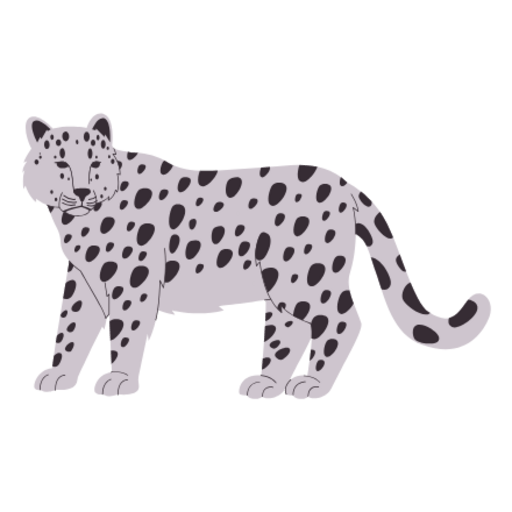
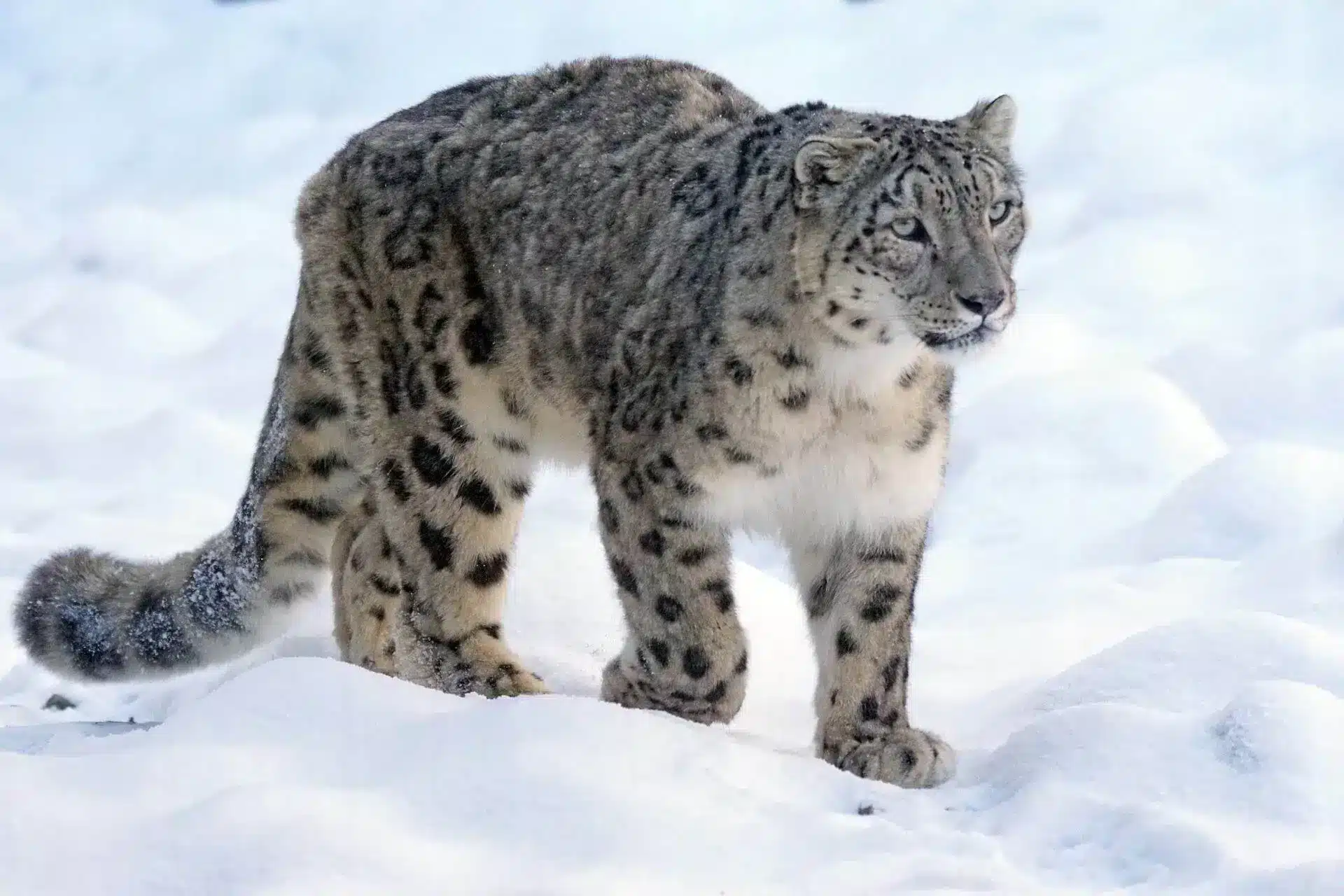
Snow leopards have one of the densest furs among big cats. The long outer hair keeps out moisture and cold, while the soft undercoat traps body heat. This double layer protects them even in freezing winds.
Stocky Body and Short Limbs
Their compact build helps conserve heat. Shorter legs and a broad chest minimize exposure to the cold air and give them strength for climbing rugged slopes.
Large Nostrils and Lungs
At high altitudes, oxygen is limited. Snow leopards have large nasal passages and lungs to take in and use oxygen more efficiently than lowland cats.
Long Tail
Their thick, furry tail helps balance while leaping across cliffs. When resting, they curl it around their body and face for warmth, almost like a scarf.
Fur-Covered Paws
The undersides of their paws are covered in fur. This prevents frostbite and acts like natural snowshoes, allowing them to move quietly and steadily over snow and ice.
Behavioral and Hunting Adaptations
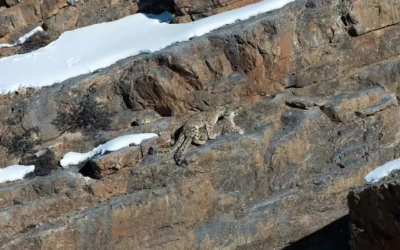
Snow leopards are experts at conserving energy. They move slowly and carefully across the slopes, blending perfectly with the rocks thanks to their pale gray coat.
Their prey includes blue sheep, ibex, and Himalayan tahr – animals that also live in steep mountain terrain. Snow leopards rely on patience and surprise, stalking from above and leaping great distances to catch their prey.
They are most active during early morning and evening, when temperatures are bearable and prey movement increases. This timing helps them avoid wasting energy during the coldest parts of the day.
Physiological Strengths Compared to Other Big Cats
Snow leopards can function efficiently in thin air, something other big cats cannot manage for long. Their red blood cells carry oxygen more effectively, and their heart and lung capacity are naturally higher.
They also have a slower metabolism, meaning they can survive longer without food – a vital trait in places where prey is limited.
- Tigers need large forests with water sources and abundant prey.
- Lions depend on teamwork and warm plains where herds are common.
- Leopards are adaptable and can climb mountains but prefer moderate temperatures and lower altitudes.
Snow leopards stand apart. They are built for solitude, cold, and scarcity – conditions that would exhaust most other big cats.
Evolution and Habitat Specialization
Over millions of years, snow leopards evolved to fit their mountain habitat perfectly. Every feature, from their thick fur to their wide lungs, developed to meet the challenges of life in thin air.
But this specialization comes at a cost. Unlike tigers or leopards that can live in varied environments, snow leopards are tied to their mountain ranges. They cannot easily move to lower or warmer areas, which limits their range but defines their identity.
Conservation Challenges at High Altitudes
Despite their strength, snow leopards face serious threats. Climate change is warming mountain regions, shrinking their habitat. As vegetation zones shift, their prey moves higher or disappears.
They also face conflict with local herders when livestock becomes easy prey. Since snow leopards cannot adapt to lowlands, protecting their mountain environment is critical for their survival. Conservation efforts now focus on community programs, awareness, and sustainable tourism that supports local people while protecting these cats.
Final Thoughts
Snow leopards are the true rulers of the high mountains. Their physical, behavioral, and physiological adaptations make them one of nature’s most remarkable survivors.
While other big cats rely on forests, grasslands, or savannas, the snow leopard depends on silence, snow, and stone. Their presence in such a harsh world reminds us how life can adapt beautifully, even where survival seems impossible.