What Snow Leopard Trekking Involves
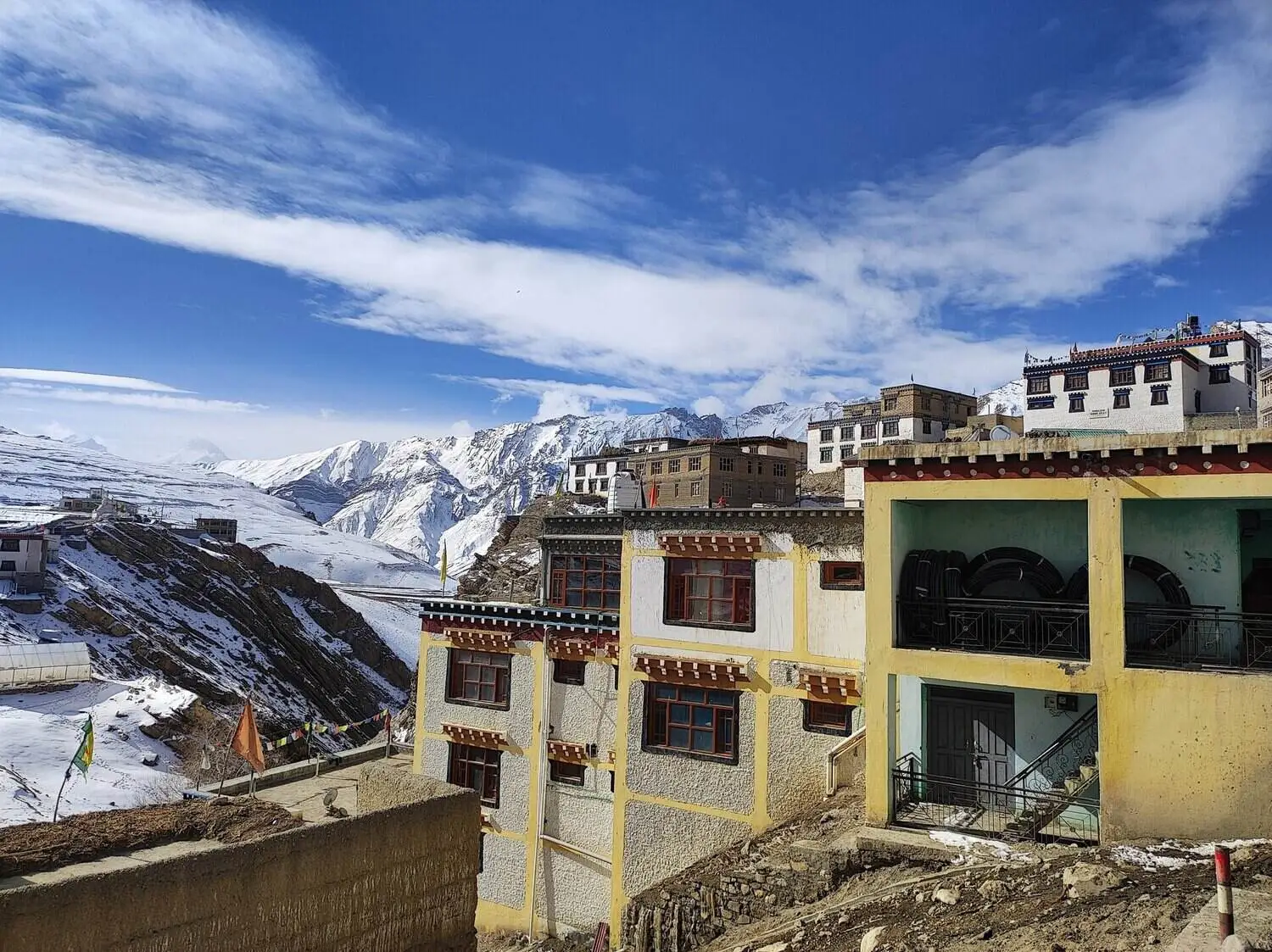
A snow leopard trek usually takes place between December and March, when sightings are more likely. The treks are conducted in cold, rugged terrain at altitudes often above 12,000 feet.
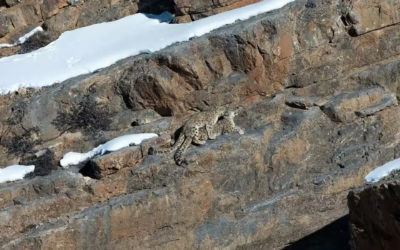
Days involve long walks through valleys and ridges, scanning rocky slopes with spotting scopes. Nights are spent in homestays or expedition-style camps. The conditions can be tough, with thin air, sub-zero temperatures, and long distances to cover.
Because of this, preparation, physical fitness, and mental readiness are important – whether you trek solo or in a group.
Solo Snow Leopard Trekking: The Independent Route
Pros
- You can travel at your own pace without adjusting to others.
- The experience feels more personal and reflective.
- You can spend more time observing or photographing wildlife.
- The itinerary can be flexible depending on your interests.
Cons
- It is more expensive since you cannot share costs for guides, porters, or transport.
- There is a higher safety risk, especially in isolated terrain.
- In case of altitude sickness or sudden weather changes, help might be delayed.
- It can feel lonely, as days are often quiet and physically demanding.
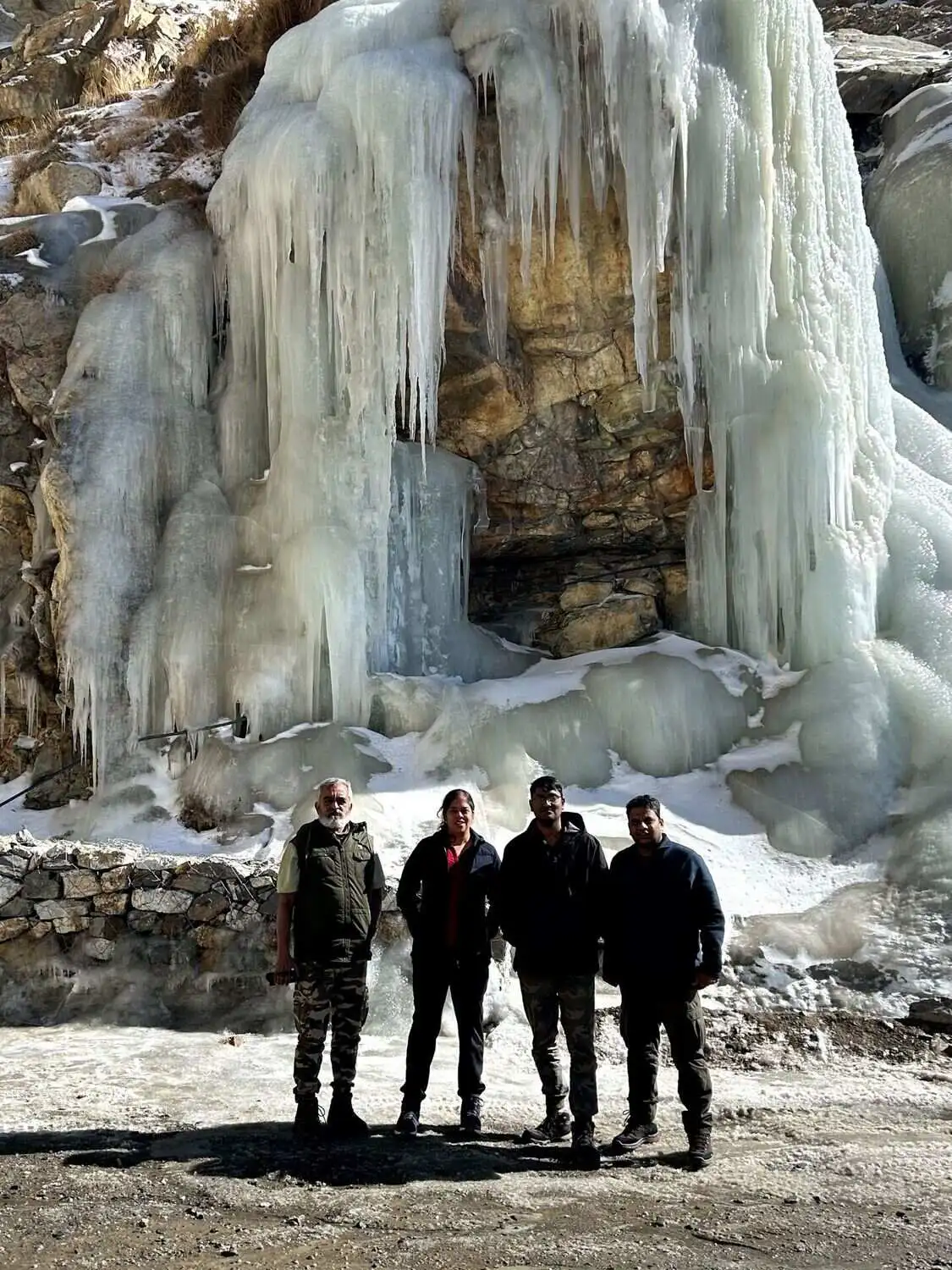
Solo trekking suits experienced travelers who know how to handle mountain conditions and prefer solitude over group dynamics.
Group Snow Leopard Trekking: Shared Adventure
Pros
- Traveling in a group is generally safer, as support is readily available.
- Costs for guides, equipment, and logistics are shared.
- The energy of a group keeps motivation high during tough days.
- It’s easier to learn from others, especially wildlife experts or photographers.
Cons
- You have to follow a fixed plan and group pace.
- There might be varying levels of fitness or interests within the group.
- Less privacy and quiet time for reflection or solo exploration.
- Group treks are ideal for first-time visitors or those who prefer a sense of security and shared excitement over complete independence.
How to Choose What’s Right for You
Choosing between solo and group trekking depends on what matters most to you.
- Budget: Solo treks cost more due to private logistics, while groups split expenses.
- Experience: If you’ve done high-altitude treks before, solo travel can be rewarding. Beginners are better off in a group.
- Comfort Level: If you enjoy company and teamwork, group travel suits you. If solitude feels natural, go solo.
- Purpose: Wildlife photographers often prefer solo trips for flexibility, while nature enthusiasts may enjoy the social aspect of a group.
Think honestly about your comfort with challenges, your tolerance for cold and isolation, and the kind of experience you want to take home.
Solo vs Group Snow Leopard Trekking: Key Differences
| Aspect | Solo Trekking | Group Trekking |
|---|---|---|
| Cost | Higher, as all expenses are individual (guide, porter, transport) | Lower, since costs are shared among participants |
| Safety | More risk due to isolation and limited support | Safer with group support and shared resources |
| Flexibility | Full freedom to set pace, route, and schedule | Follows a fixed plan and collective pace |
| Companionship | Solitary experience with guides only | Social atmosphere with shared experiences |
| Experience Level Needed | Better for seasoned trekkers familiar with mountain terrain | Suitable for beginners and first-time visitors |
| Motivation | Self-driven; can feel lonely at times | Encouragement and energy from others |
| Photography Opportunities | Easier to wait for perfect shots without time pressure | Limited time at sightings due to group movement |
| Logistics | Requires strong planning and self-reliance | Easier, as the operator manages everything collectively |
| Privacy | High; ideal for quiet reflection | Limited; shared camps or rooms are common |
| Best For | Experienced, independent, and patient travelers | First-timers, families, or social travelers |
Expert Advice for Both Options
- Always travel with a trained local guide, even if you go solo. They know the terrain and animal behavior.
- Check required permits and ensure your tour operator handles them in advance.
- Acclimatize properly before starting the trek to avoid altitude sickness.
- Pack essential cold-weather gear and medical supplies.
- Maintain ethical distance from wildlife and follow local conservation guidelines.
- Respect the community-based tourism model – stay in homestays, support local staff, and avoid waste.
Whether solo or in a group, preparation and responsible behavior make the journey safer and more meaningful.
Final Thoughts
Snow leopard trekking tests endurance but rewards patience and respect for nature. Going solo offers freedom and deep connection with the wild. A group trek brings safety, support, and shared joy.
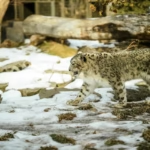
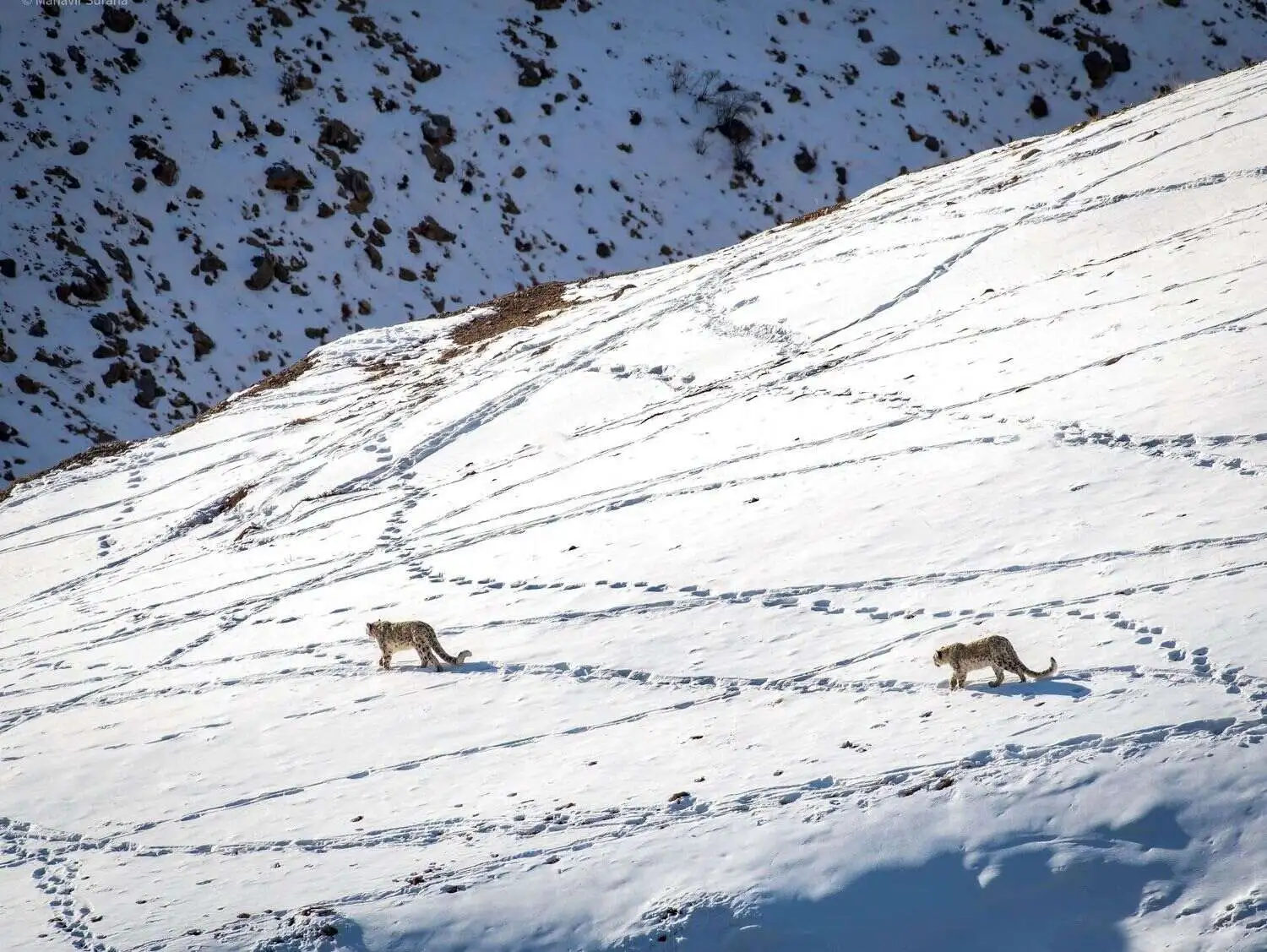
Both paths lead to the same awe – watching a snow leopard move silently across the snow. The right choice depends on your comfort, priorities, and how you wish to experience this rare encounter.