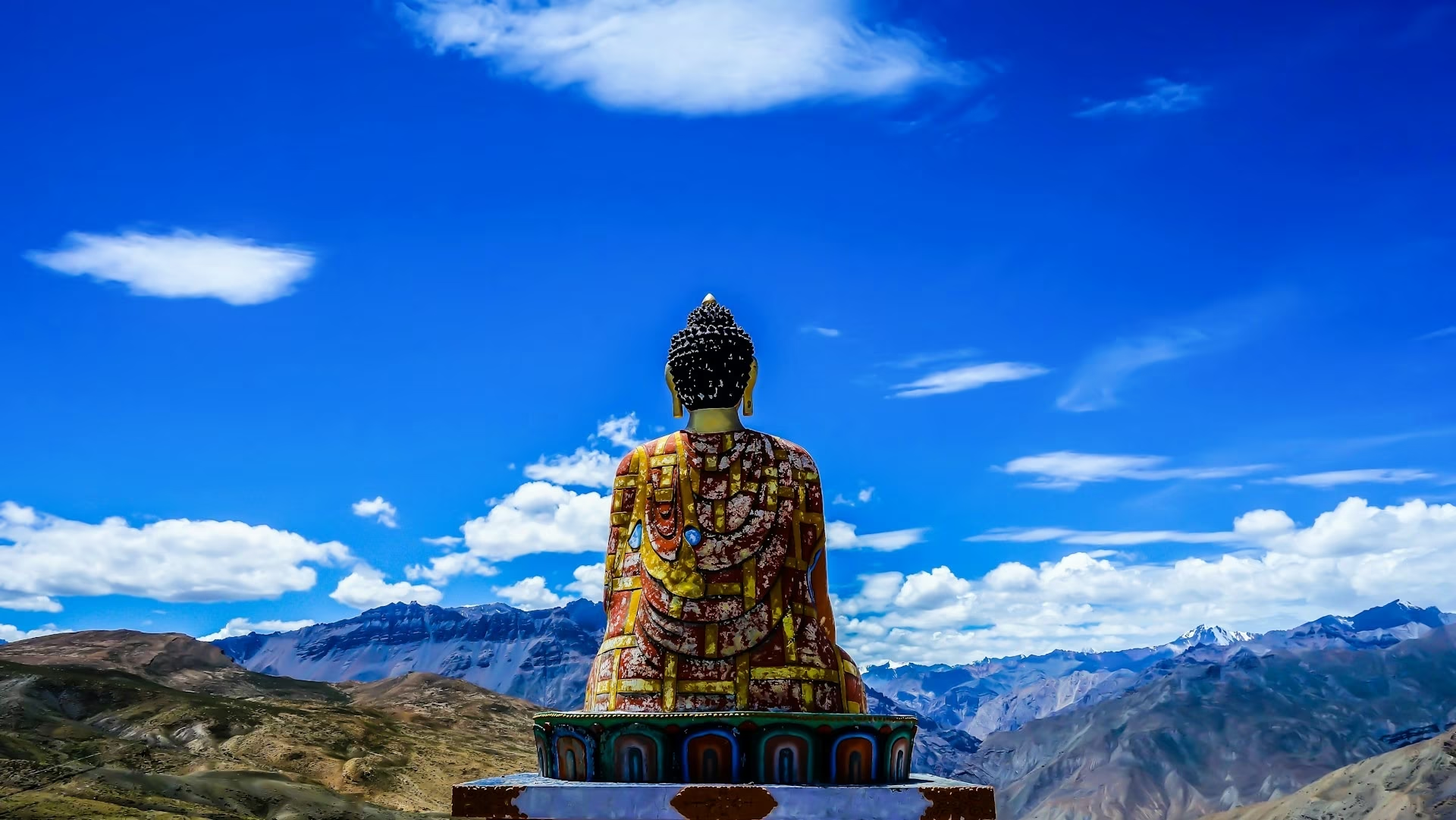
Top 5 Monasteries in Spiti Valley: Complete Guide to Ancient Buddhist Temples
Spiti Valley holds some of the oldest and most beautiful Buddhist monasteries in India. These ancient structures sit on cliffsides and mountain slopes, preserving centuries of art, culture, and spiritual practice. This guide covers the five most important monasteries you must visit in Spiti, plus other notable ones worth exploring.
Why Visit Spiti Monasteries?
Spiti’s monasteries are not just religious sites. They’re living museums of Tibetan Buddhism, art, and architecture.
Many of these monasteries are over 1,000 years old. They house ancient murals, sculptures, and manuscripts that survived harsh weather and invasions. The monks here still follow centuries-old traditions.
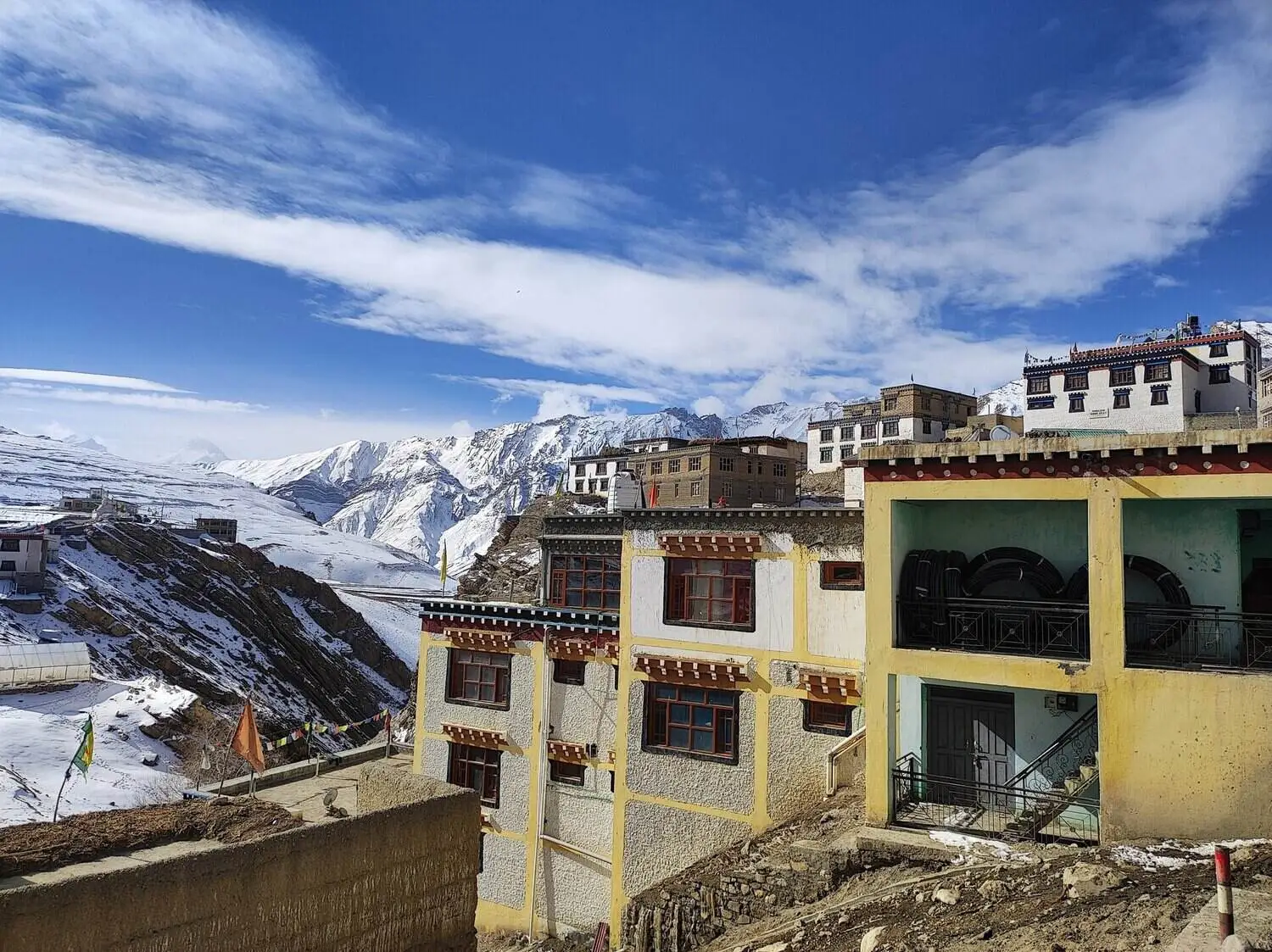
The architecture is unique. Most monasteries are built on hilltops or cliff edges for protection. White-washed walls, prayer flags, and golden roofs stand out against barren mountains.
Visiting these monasteries gives you a glimpse into Buddhist culture. You’ll see monks in prayer, butter lamps flickering, and hear chants echoing through halls. The peace and silence here are unlike anywhere else.
Key Monastery (Key Gompa)
Key Monastery is the largest and most famous monastery in Spiti. It sits on a hilltop at 4,166 meters above Kaza.
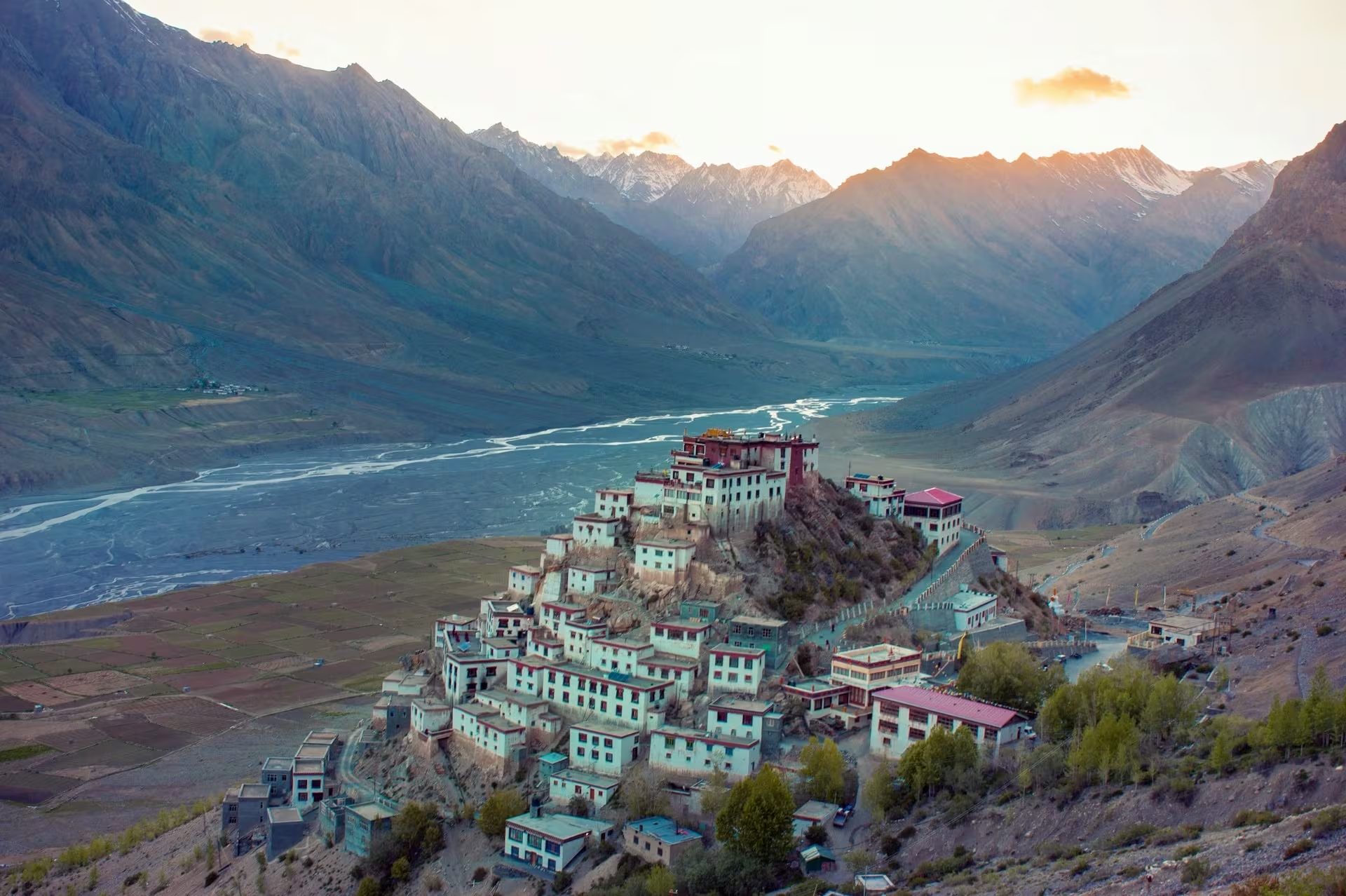
History: Key is over 1,000 years old. It belongs to the Gelugpa sect of Tibetan Buddhism. The monastery survived multiple attacks and earthquakes over centuries.
What to See:
- Main prayer hall with giant Buddha statues
- Ancient murals and thangkas (Buddhist paintings)
- Library with rare Buddhist texts
- Monks’ quarters and training halls
- Rooftop views of Spiti River and valley
The monastery trains young monks. You might see them debating or studying in the courtyards.
Best Time to Visit: May to October. The monastery remains open in winter but road access is difficult.
Entry Fee: Free, but donations are welcome
Timings: 7:00 AM to 7:00 PM (prayer times: morning 6:00 AM, evening 6:00 PM)
Annual Festival: Gustor Festival in June or July. Monks perform masked dances (Cham dances) to mark the victory of good over evil.
How to Reach: 12 km from Kaza. You can hire a taxi or rent a bike. The road is paved and takes about 20 minutes.
Where to Stay: Kaza has hotels and guesthouses for all budgets. The monastery also has basic rooms for travelers.
Tabo Monastery
Tabo is called the “Ajanta of the Himalayas” because of its ancient murals and paintings.
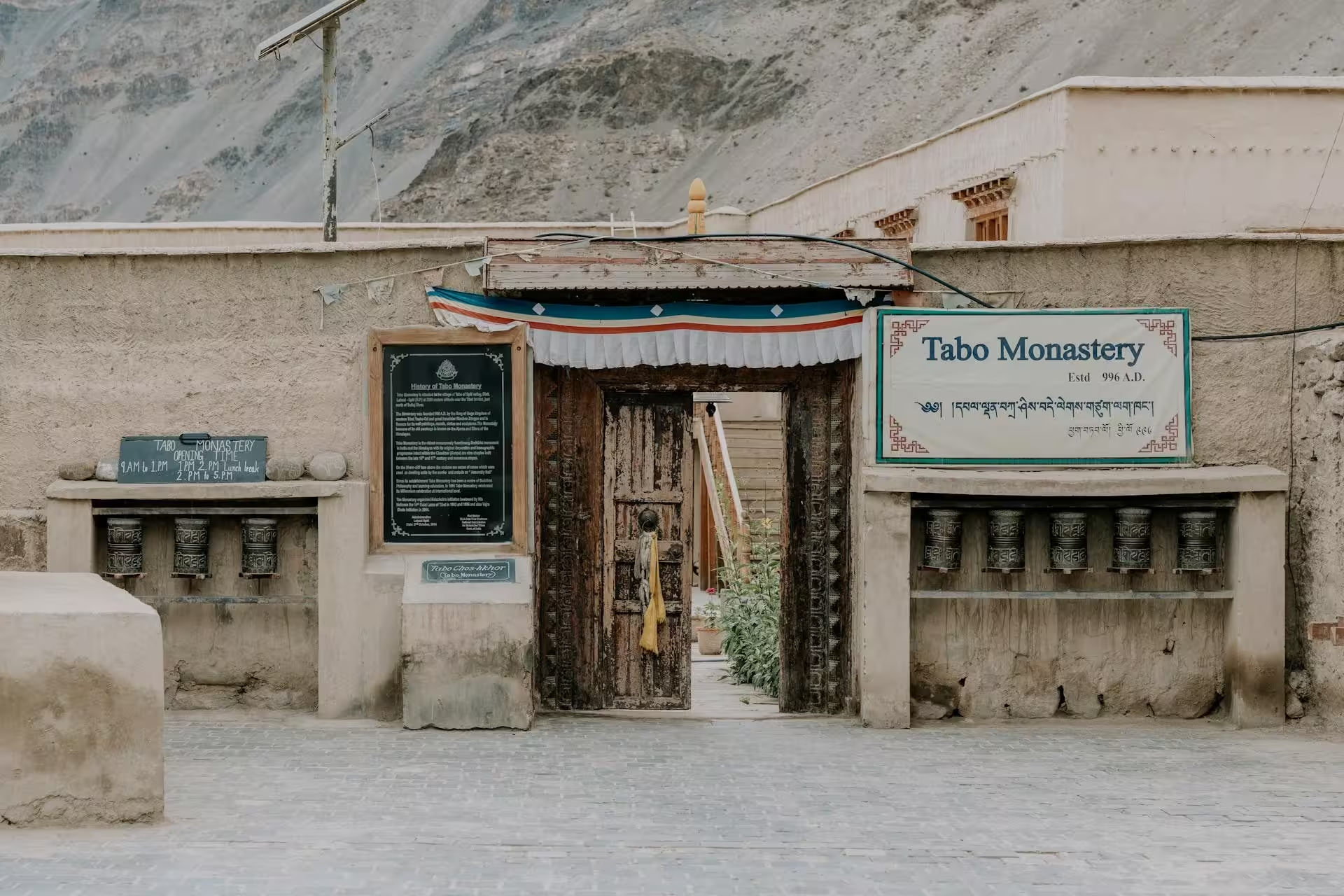
History: Founded in 996 AD, Tabo is over 1,000 years old. It’s one of the oldest functioning monasteries in India and the Himalayas.
What to See:
- Nine temples within the complex
- Cave temples carved into the hillside
- 1,000-year-old murals depicting Buddha’s life
- Ancient clay sculptures
- Manuscripts and wooden carvings
- New monastery with modern paintings
The old temple walls have faded but detailed murals. Photography inside the main temple is not allowed to preserve the art.
UNESCO Status: Tabo is a UNESCO World Heritage Site candidate. It’s protected by the Archaeological Survey of India.
Entry Fee: ₹30 for Indians, ₹100 for foreigners (for the protected temples)
Timings: 8:00 AM to 6:00 PM
Annual Festival: Tabo Monastery Festival in June or July. Three days of masked dances, music, and prayers.
How to Reach: Tabo village is 47 km from Kaza on the Shimla-Kaza highway. Buses run daily between Kaza and Tabo. The ride takes about 1.5 hours.
Where to Stay: Tabo has guesthouses and homestays. The monastery guesthouse offers basic rooms.
Photography Rules: No photos inside the ancient temple halls. You can photograph the exterior and courtyards.
Dhankar Monastery
Dhankar sits on a cliff edge at 3,894 meters. It’s one of the most dramatic monastery locations in Spiti.
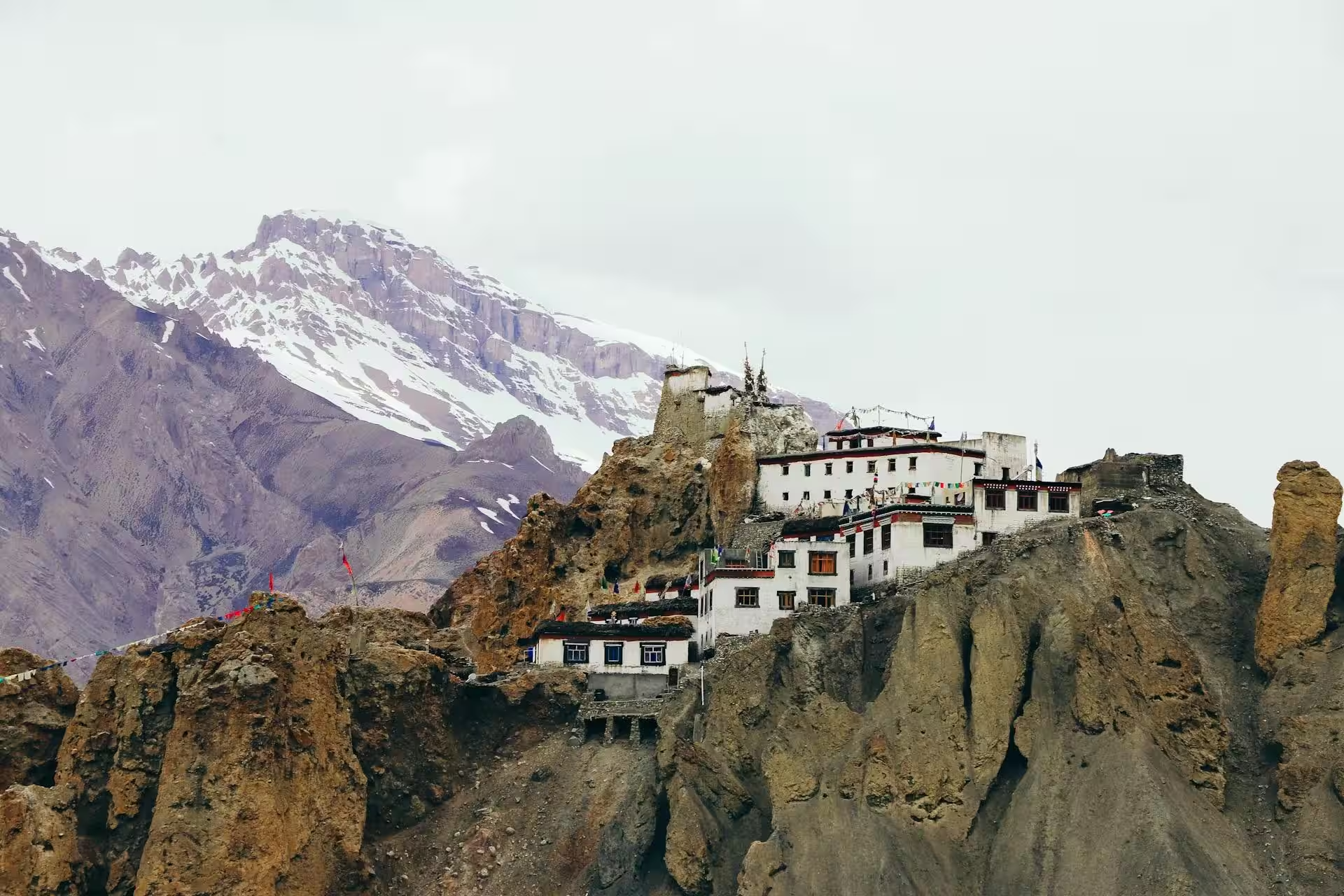
History: The monastery is over 1,000 years old. It served as the capital of Spiti Valley and a fort-monastery complex. The name “Dhankar” means fort on a cliff.
What to See:
- Cliff-hanging structure with views of
- Spiti and Pin rivers meeting
- Prayer hall with statues of Buddhist deities
- Old fort ruins
- Ancient scriptures and thangkas
- New monastery built below the old structure
The old monastery is crumbling but still functional. The new monastery handles most religious activities now.
Dhankar Lake Trek: A 3-4 hour trek from the monastery takes you to Dhankar Lake at 4,270 meters. The lake is sacred and offers stunning views.
Entry Fee: Free
Timings: 7:00 AM to 6:00 PM
How to Reach: 32 km from Kaza. Turn off from the main highway near Sichling village. The last 8 km is a steep, winding road. Taxis from Kaza charge about ₹1,500-2,000 for a return trip.
Where to Stay: The monastery has a guesthouse with basic rooms and toilets. Dhankar village has a few homestays.
Komic Monastery (Tangyud Monastery)
Komic is one of the highest villages in Asia with a road connection. The Tangyud Monastery sits here at 4,587 meters.
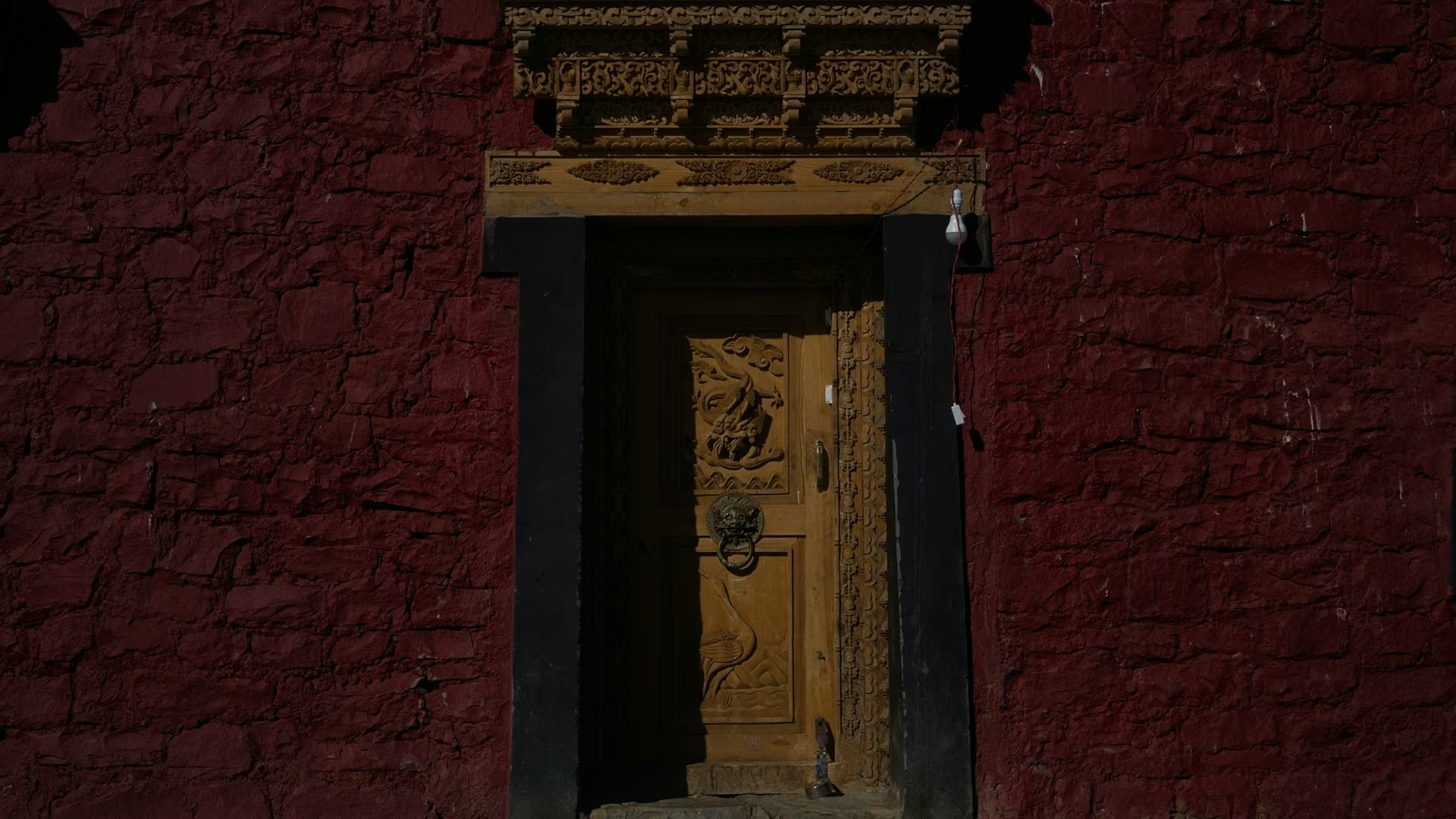
History: The monastery is about 600 years old. It belongs to the Sakya sect of Tibetan Buddhism, unlike most Spiti monasteries which follow the Gelugpa sect.
What to See:
- Main prayer hall with colorful murals
- Large Buddha statue
- Collection of scriptures
- Village life around the monastery
- Views of Kaza valley
Komic village itself is worth spending time in. The local people maintain traditional lifestyles.
Entry Fee: Free
Timings: 8:00 AM to 6:00 PM
How to Reach: 18 km from Kaza. The road goes through Hikkim and Langza. You can visit all three villages in one day. Hire a taxi from Kaza (₹2,000-2,500 for the circuit) or rent a bike.
Where to Stay: Komic has homestays run by local families. Simple rooms with basic facilities.
Kungri Monastery (Pin Valley)
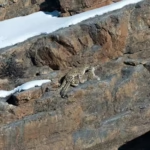
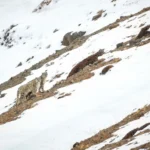
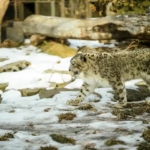
Kungri sits in Pin Valley, south of Kaza, inside Pin Valley National Park. This is snow leopard territory.
History: About 1,000 years old. Belongs to the Nyingma sect (oldest school of Tibetan Buddhism). Unlike most Spiti monasteries that follow Gelugpa teachings, Kungri preserves older Buddhist traditions.
What to See:
- Ancient scriptures and paintings
- Prayer hall with statues
- Monks in traditional Nyingma robes
- Pin Valley landscapes
- Wildlife habitat (ibex, blue sheep, and snow leopards in winter)
The monastery is active. Monks live and train here. The surrounding valley is pristine and less visited than other parts of Spiti.
Entry Fee: Free
Timings: 8:00 AM to 6:00 PM
How to Reach: Turn off the Kaza-Tabo highway at Attargo village. The road goes 10 km to Sagnam, then another 2 km to Kungri village. The road is rough. A 4×4 vehicle is recommended. From Kaza, hire a taxi for ₹3,000-4,000 for a day trip.
Where to Stay: Kungri village has basic homestays. Most travelers stay in Kaza and visit as a day trip.
Other Notable Monasteries in Spiti
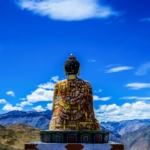
Langza Monastery: Small monastery at 4,400 meters next to a giant Buddha statue. The village is famous for marine fossils. Good for a quick visit during the Hikkim-Langza-Komic circuit.
Hikkim Monastery: Tiny monastery in the village with the world’s highest post office at 4,400 meters. More of a village attraction than a major monastery. Visit while sending postcards from Hikkim.
Lhalung Monastery: Called the “Golden Temple” of Spiti. Over 1,000 years old with ancient statues and murals. Very remote (60 km from Kaza via rough roads). Only for those seeking off-beat destinations.
Gue Monastery: Houses a 500-year-old naturally preserved mummy of a Buddhist monk. Small monastery but unique attraction. Located 40 km from Tabo near the Indo-Tibet border. Foreign nationals need permits.
Kaza Monastery: Small local monastery in Kaza town. Not historically significant but convenient if you’re short on time. Good for evening prayers.
Mud Village Monastery: In the last village of Pin Valley. Very remote and basic. Starting point for treks deeper into the valley. Only visit if you have extra days and want extreme isolation.
Lalung Monastery: Not to be confused with Lhalung. Small monastery in a village near Losar. Basic and less visited.
Demul Monastery: Tiny monastery in Demul village between Kaza and Tabo. The village is known for its homestays and peaceful atmosphere. Minor monastery but charming village.
Best Time to Visit Spiti Monasteries
Summer (May to October): This is the best time. All roads are open, weather is pleasant, and monasteries are fully accessible. June and July see monastery festivals.
Monsoon (July to August): Spiti receives little rain, but landslides can block roads temporarily.
Winter (November to April): Roads from Shimla and Manali close due to snow. Only the Shimla route sometimes remains open until December. Monasteries stay open but are harder to reach. Some villages become inaccessible.
For Festivals: Plan for June or July to catch Key Gustor or Tabo festivals. Check exact dates before booking, as they follow the lunar calendar.
Monastery Etiquette and Rules
Dress Modestly: Cover your shoulders and knees. Avoid shorts and sleeveless tops. Carry a shawl or jacket.
Remove Shoes: Take off your shoes before entering prayer halls. Socks are fine.
Photography: Don’t photograph inside prayer halls unless allowed. Ask a monk first. Never use flash near old paintings or statues. Exterior photos are usually fine.
Silence: Keep your voice low inside monasteries. Don’t disturb monks during prayers.
Prayer Wheels: Always turn prayer wheels clockwise (left to right as you walk). Never spin them in reverse.
Offerings: You can light butter lamps or incense as offerings. Small donations in the donation box are appreciated but not mandatory.
Respect Monks: Don’t interrupt monks during meditation or prayers. If you want to talk, approach them politely outside prayer times.
Seating: If you sit during prayers, don’t point your feet toward the altar or Buddha statues. Sit cross-legged or with feet tucked to the side.
Practical Tips for Visiting Spiti Monasteries
Carry Cash: ATMs in Spiti are unreliable. Withdraw enough cash in Manali, Shimla, or Reckong Peo before entering Spiti. Only Kaza has ATMs, and they often run out.
Altitude Awareness: Most monasteries sit above 3,800 meters. Acclimatize in Kaza for a day before visiting higher places. Drink lots of water. Move slowly. Watch for altitude sickness symptoms (headache, nausea, dizziness).
Food Options: Kaza and Tabo have restaurants. Smaller villages have limited options. Carry snacks and water when visiting remote monasteries. Some monasteries serve simple tea and snacks to visitors.
Accommodation: Kaza has hotels, guesthouses, and homestays for all budgets. Smaller villages offer basic homestays. Book in advance during peak season (June to September). In off-season, you can find rooms on arrival.
Mobile Network: BSNL works in most areas. Airtel and Jio have limited coverage. Network is weak or absent in remote monasteries.
Toilets: Use toilets in your hotel before leaving. Monasteries may not have visitor toilets. Plan accordingly, especially for long drives.
Be Patient: Things move slowly in Spiti. Roads are rough. Distances take longer than expected. Plan extra time. Don’t rush.
Getting to Spiti for Your Monastery Tour
From Manali (Rohtang Pass/Atal Tunnel):
- Distance: 200 km to Kaza
- Time: 7-8 hours
- Season: June to October (Rohtang Pass) or year-round via Atal Tunnel
- Route: Manali → Atal Tunnel → Sissu → Tandi → Keylong → Jispa → Darcha → Kunzum Pass → Losar → Kaza
From Shimla (Kinnaur Route):
- Distance: 410 km to Kaza
- Time: 12-14 hours (usually done over 2 days with a night halt in Kalpa or Nako)
- Season: May to November (sometimes until December)
- Route: Shimla → Rampur → Reckong Peo → Nako → Tabo → Kaza
Best Route for Monastery Focus: Shimla route passes through Tabo, so you can visit Tabo Monastery on the way. Manali route is faster but misses western Spiti monasteries.
Buses: HRTC runs buses from Manali and Shimla to Kaza. Book in advance during peak season.
Private Taxi: Hiring a taxi from Manali or Shimla gives flexibility. Costs ₹12,000-18,000 depending on the season and vehicle type.
Self-Drive: Possible if you’re experienced with mountain driving. Roads are rough and have sharp turns. A sturdy vehicle (SUV or similar) is recommended.
Spiti’s top five monasteries offer history, art, spirituality, and stunning locations. Key and Tabo are essential for their size and significance. Dhankar provides drama and adventure. Komic gives altitude and village life. Kungri opens up remote Pin Valley. Plan your trip between May and October, respect local customs, and take your time. Spiti rewards those who slow down and absorb its quiet beauty.